

Back-To-School Safety Reminders
Back-to-School Safety Tips for Families
As summer comes to a close and the school year begins, families shift back into structured routines filled with early mornings, homework, and activities. Along with preparing school supplies and schedules, it is equally important to revisit everyday safety habits. A little preparation can go a long way in helping children stay safe and confident throughout the school year.
School safety extends far beyond the classroom. From the morning commute to after-school time at home, each part of the day presents opportunities to reinforce safe behaviors. Being proactive now can help reduce risks and create a smoother transition into the new school routine.
Spending time reviewing simple safety practices can provide reassurance for both parents and students. When children know what to expect and how to respond, they are more likely to make safe decisions independently.
Safe Habits Before the School Day Starts
Getting to school safely is one of the most important parts of a child’s day. Whether a student walks, bikes, takes the bus, or is driven by a parent, understanding basic safety rules can make a significant difference.
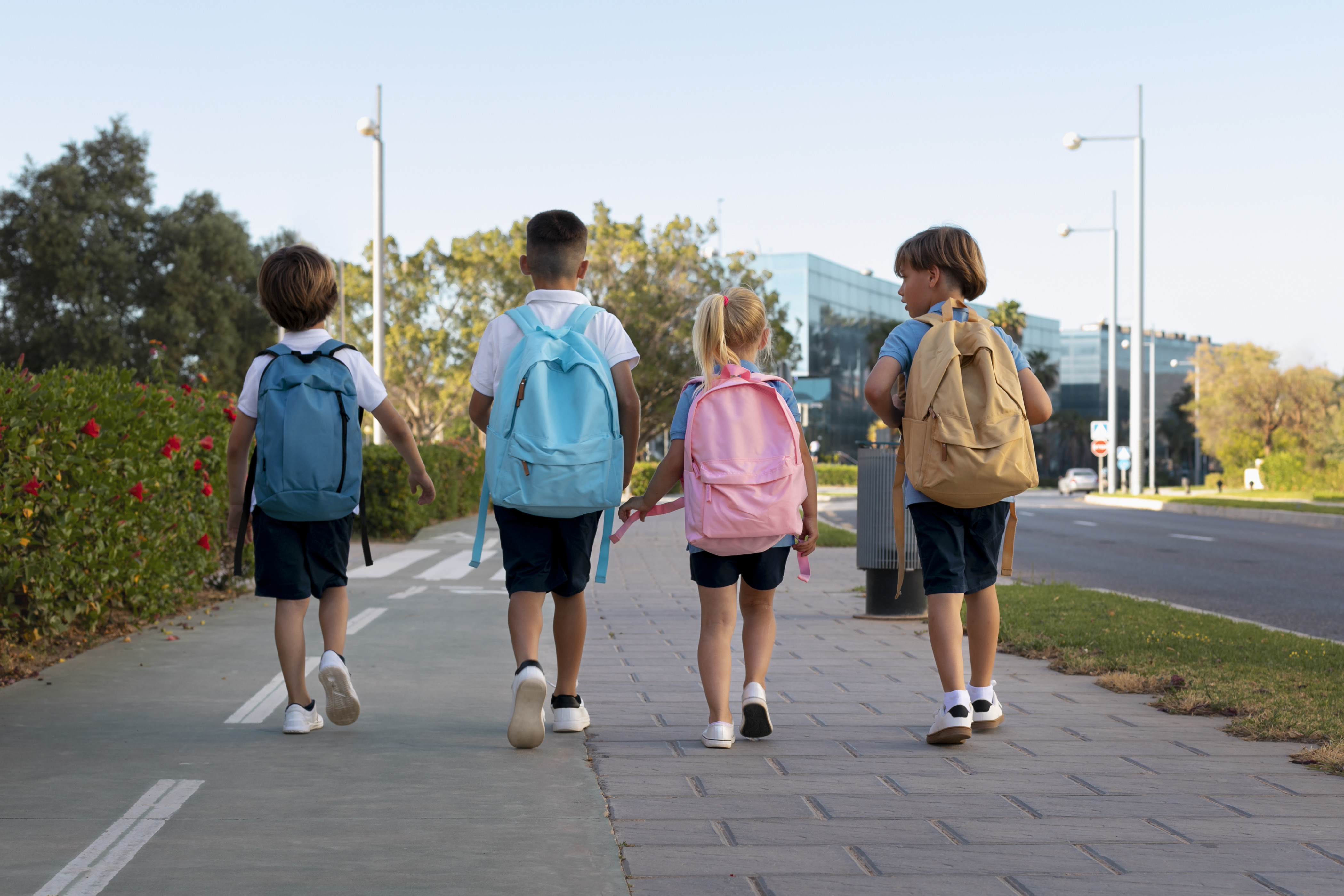
Children who walk to school should use sidewalks whenever they are available and cross streets only at designated crosswalks or intersections. It is important to look both ways before crossing, but also to make eye contact with drivers to ensure they are seen. Walking with friends or siblings is another effective way to increase awareness and safety.
For students who ride bikes, wearing a properly fitted helmet should always be non-negotiable. Riding on the correct side of the road and following the flow of traffic are key safety practices. Stopping fully before crossing streets and choosing routes with less congestion can also help make the ride safer.
Bus safety is another essential topic to review. Children waiting for the bus should stand several feet back from the curb and only approach once the bus has come to a complete stop. They should avoid walking directly in front of or behind the bus unless they can clearly see the driver and have been acknowledged. These habits help minimize risks during busy pickup times.
Parents who drive their children to school play an important role in maintaining safety as well. Following school drop-off procedures, driving slowly in designated zones, and never passing a stopped school bus are critical responsibilities. Consistency with these habits helps protect all students.
Teen drivers also benefit from reminders as the school year begins. Reinforcing the importance of seatbelt use, obeying speed limits, limiting distractions, and being mindful of passengers can help encourage responsible driving behavior.
Building Safe and Healthy School-Day Routines
Once students arrive at school, daily habits continue to play a role in their safety and well-being. Developing awareness and preparedness can help children navigate their environment with confidence.
One key area is emergency readiness. Children should know important personal details such as their full name, home address, and a parent or guardian’s phone number. Some families choose to include a small card in a backpack with emergency contacts and medical information, making it easier to access help if needed.
Maintaining healthy habits is also important during the school year. With many students sharing the same spaces, illnesses can spread easily. Teaching proper handwashing and encouraging children not to share food or drinks can help reduce the risk of germs spreading.
Backpack use is another often-overlooked safety concern. Carrying too much weight can strain a child’s back and shoulders over time. A good guideline is to keep the backpack under 15% of the child’s body weight and to use both shoulder straps to distribute weight evenly.
Conversations about bullying are also an important part of school safety. Children should understand what bullying looks like, how to respond, and who they can talk to if they feel uncomfortable or unsafe. Knowing there is a trusted adult available can make it easier for students to speak up.
Even labeling personal belongings should be done thoughtfully. Instead of displaying a child’s full name on the outside of items, using initials or placing identification inside can help maintain privacy while still keeping items identifiable.
Staying Safe After School
Safety does not end when the school day is over. Afternoons can be busy and sometimes unpredictable, especially for families balancing work schedules and extracurricular activities.
Creating a consistent check-in routine can be very helpful. Children who arrive home before a parent can call or send a message to confirm they made it safely. Some families also choose to use location-sharing tools or GPS devices for additional reassurance.
If a child spends time home alone, it is important to establish clear rules in advance. Discussing expectations about locking doors, answering calls, and handling unexpected visitors can help children feel more prepared and secure.
Online safety should also remain a regular topic of discussion. Children should be reminded not to share personal details such as their address, school, or daily schedule. Encouraging open communication about online experiences can help parents address concerns early.
Emergency preparedness is another important area to review. Children should know where to go during severe weather, how to exit safely in case of a fire, and who to contact if a parent or guardian cannot be reached. Practicing these scenarios at home can help children respond calmly if a real situation arises.
The start of a new school year brings excitement, opportunities, and new routines. Taking time to reinforce safety habits before, during, and after the school day can help families feel more confident and prepared. With the right planning and awareness, students can focus on learning and enjoying the year ahead.
The Mystery of Life Insurance Unveiled
Life insurance often conjures up more questions than answers, and you're not alone in your confusion. According to the 2024 J.D. Power study, only 29% of life insurance customers felt that their insurers made policies simple to understand. This blog aims to lift the veil on what life insurance truly is, how it functions, who might need it, and its potential importance in your life.What is Life Insurance?
At its core, life insurance is a contract. You agree to pay premiums, and in return, your loved ones receive a tax-free lump sum — known as the death benefit — when you pass away. This money can be used for a variety of needs such as paying off a mortgage, covering childcare or funeral costs, or even everyday expenses.Who Needs Life Insurance?
You might be wondering if life insurance is for you. Generally, anyone with dependents, debts, or funeral expenses to consider should think about life insurance. However, it’s not only for parents or spouses. Even individuals without dependents may benefit from coverage to ensure their financial legacy lives on.How Does Life Insurance Work?
Selecting the right life insurance involves deciding between term and permanent policies. Term life covers you for a specific period, while permanent life insurance provides lifelong coverage. Premiums are paid regularly, and upon your death, the death benefit is dispersed to your beneficiaries.Benefits During Your Lifetime
Life insurance isn’t just beneficial after death. For instance, with permanent policies, you can borrow against your policy’s cash value. Some policies include riders such as accelerated death benefits or premium waivers, or allow conversion from term to permanent without medical exams.Choosing the Right Policy
Deciding on the right policy might require some self-reflection. Consider questions like how much coverage you need, the duration, and whether you value simplicity over savings features. Remember to align your choice with your budget.The Customizable Nature of Insurance
Life insurance policies are not one-size-fits-all. They can be customized with riders that offer protection for situations like critical illness or provide premium waivers in the event of disability—tailoring the policy to fit your unique needs. It's perfectly okay not to have all the answers upfront when it comes to life insurance. These policies are far more flexible and beneficial than most people realize. If you're unsure where to begin or need help navigating your options, don't hesitate to reach out for guidance. Life insurance could be a key part of securing your future and your loved ones' financial well-being.
Highway Loss Data Institute
FEMA - Federal Emergency Management Agency