Deer Collision Safety Tips For Fall Driving
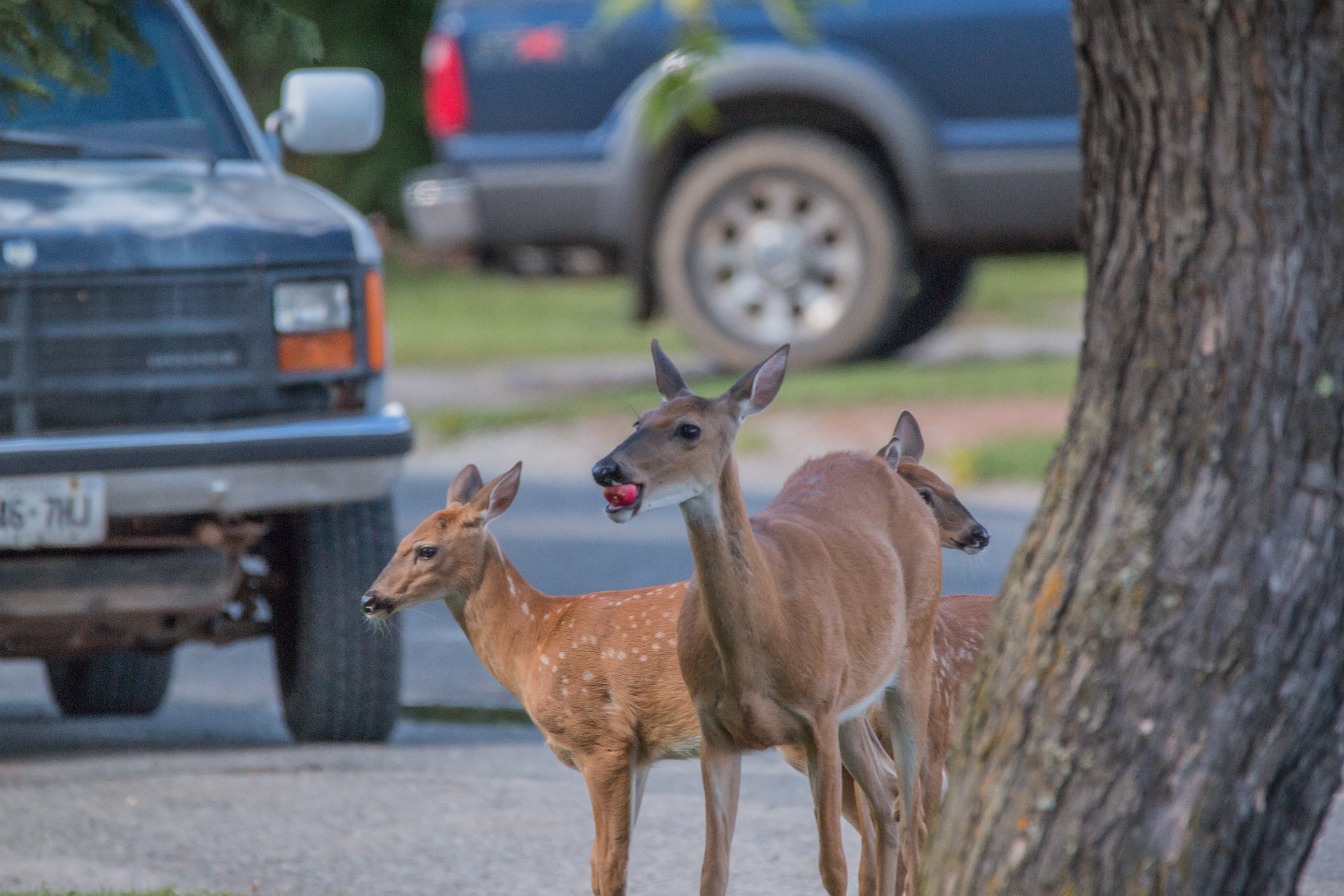
As the days grow shorter and evenings arrive earlier, drivers face a seasonal risk that often goes unnoticed until it is too late: deer crossing roadways. In the fall months, deer are more active and frequently move through areas near traffic, especially during early mornings and evenings when visibility is limited. This combination increases the likelihood of a collision.
Even the most cautious drivers can encounter a deer unexpectedly. Understanding how to lower your risk and knowing what steps to take after an accident can make a meaningful difference for your safety, your passengers, and your vehicle. The following reminders can help you stay prepared throughout deer season.
Why Deer Collisions Increase During Fall
Deer activity rises significantly between October and December. During this period, they are more mobile and often cross roads at times when drivers already have reduced visibility.
The highest risk typically occurs at dawn, dusk, and shortly after sunset. These low-light conditions make it difficult to notice deer standing near wooded areas, medians, or road shoulders until they are very close to traffic.
Because deer can move quickly and appear without warning, staying attentive during these hours is one of the most effective ways to avoid an accident.
Pay Attention in High-Risk Areas
Improving awareness while driving is one of the simplest ways to stay safe. Instead of focusing only on the road ahead, make a habit of checking both sides of the roadway for any movement.
This becomes especially important in areas such as rural roads, open fields, wooded regions, or locations marked with deer crossing signs. These signs indicate zones where deer are commonly seen and should prompt drivers to be more cautious.
Minimizing distractions inside your vehicle also gives you more time to react if a deer suddenly enters your path.
Reduce Speed to Improve Reaction Time
Your driving speed plays a key role in avoiding deer-related accidents. Traveling at or below the speed limit gives you more time to identify potential hazards and respond appropriately.
This is particularly important on country roads, two-lane highways, and routes surrounded by natural landscapes where deer are more likely to appear.
Even a slight reduction in speed can provide the extra seconds needed to brake safely and maintain control of your vehicle.
Use Headlights Effectively
Headlights are essential when driving in low-light conditions. When there is no oncoming traffic, using high beams can help you detect deer from a greater distance.
However, once a deer is visible near or on the road, it may be helpful to switch to low beams. Bright lights can sometimes startle the animal and cause it to freeze instead of moving away.
Using your headlights appropriately allows you to see more clearly while reducing the chance of surprising wildlife.
If You Spot One Deer, Expect More
It is a common mistake to assume that once one deer has crossed the road, the danger has passed. In reality, deer often travel in groups.
Rather than speeding up immediately after one deer moves on, continue slowing down and scanning the area carefully. Another deer may follow shortly behind.
Taking a few extra moments to remain cautious can help prevent a second, unexpected encounter.
Brake Instead of Swerving
If a collision seems unavoidable, your instinct may be to swerve. However, this reaction often leads to more dangerous outcomes than hitting the deer.
Sudden lane changes can result in crashes involving other vehicles, roadside obstacles, or loss of control. These situations can be far more severe.
In most cases, the safer approach is to hold the steering wheel firmly, stay in your lane, and apply controlled braking.
Avoid Relying Solely on Deer Whistles
Some drivers use deer whistles or similar devices in an effort to prevent accidents. While these tools may seem helpful, they should not replace safe driving habits.
Staying alert, reducing speed, watching the roadside, and reacting appropriately remain the most dependable ways to avoid collisions. If you encounter a deer, using your horn may encourage it to move, but attentiveness is still your best defense.
What To Do After A Deer Collision
Even when precautions are taken, accidents can still happen. If you strike a deer, your first priority should always be safety.
If possible, move your vehicle to a secure location away from traffic and turn on your hazard lights. Check yourself and any passengers for injuries, and contact emergency services if needed. Depending on local regulations, you may also need to report the incident to law enforcement.
Do not approach the animal, even if it appears injured. An injured deer can act unpredictably and may pose a risk.
If it is safe to do so, take photos of the damage before contacting your insurance provider. This documentation can be helpful during the claims process.
Understanding Insurance Coverage For Deer Accidents
Many drivers are unaware that collisions involving deer are often handled differently than other types of accidents.
In many situations, damage caused by hitting a deer falls under the comprehensive portion of an auto insurance policy rather than collision coverage. Drivers who only carry liability insurance typically do not have coverage for damage to their own vehicle.
Because coverage varies by policy, it is important to review your insurance details ahead of time. Knowing what is included can help you feel more prepared if an incident occurs.
If you have questions about your auto insurance or want to review your current policy, Thomas L May Service LLC can help you understand your options and ensure you are ready for the season ahead.
The Mystery of Life Insurance Unveiled
Life insurance often conjures up more questions than answers, and you're not alone in your confusion. According to the 2024 J.D. Power study, only 29% of life insurance customers felt that their insurers made policies simple to understand. This blog aims to lift the veil on what life insurance truly is, how it functions, who might need it, and its potential importance in your life.What is Life Insurance?
At its core, life insurance is a contract. You agree to pay premiums, and in return, your loved ones receive a tax-free lump sum — known as the death benefit — when you pass away. This money can be used for a variety of needs such as paying off a mortgage, covering childcare or funeral costs, or even everyday expenses.Who Needs Life Insurance?
You might be wondering if life insurance is for you. Generally, anyone with dependents, debts, or funeral expenses to consider should think about life insurance. However, it’s not only for parents or spouses. Even individuals without dependents may benefit from coverage to ensure their financial legacy lives on.How Does Life Insurance Work?
Selecting the right life insurance involves deciding between term and permanent policies. Term life covers you for a specific period, while permanent life insurance provides lifelong coverage. Premiums are paid regularly, and upon your death, the death benefit is dispersed to your beneficiaries.Benefits During Your Lifetime
Life insurance isn’t just beneficial after death. For instance, with permanent policies, you can borrow against your policy’s cash value. Some policies include riders such as accelerated death benefits or premium waivers, or allow conversion from term to permanent without medical exams.Choosing the Right Policy
Deciding on the right policy might require some self-reflection. Consider questions like how much coverage you need, the duration, and whether you value simplicity over savings features. Remember to align your choice with your budget.The Customizable Nature of Insurance
Life insurance policies are not one-size-fits-all. They can be customized with riders that offer protection for situations like critical illness or provide premium waivers in the event of disability—tailoring the policy to fit your unique needs. It's perfectly okay not to have all the answers upfront when it comes to life insurance. These policies are far more flexible and beneficial than most people realize. If you're unsure where to begin or need help navigating your options, don't hesitate to reach out for guidance. Life insurance could be a key part of securing your future and your loved ones' financial well-being.
Highway Loss Data Institute
FEMA - Federal Emergency Management Agency