Fall Prevention Awareness Month Tips for Safer Workplaces
Fall Prevention Awareness Month: Practical Ways Businesses Can Reduce Slip, Trip, and Fall Risks
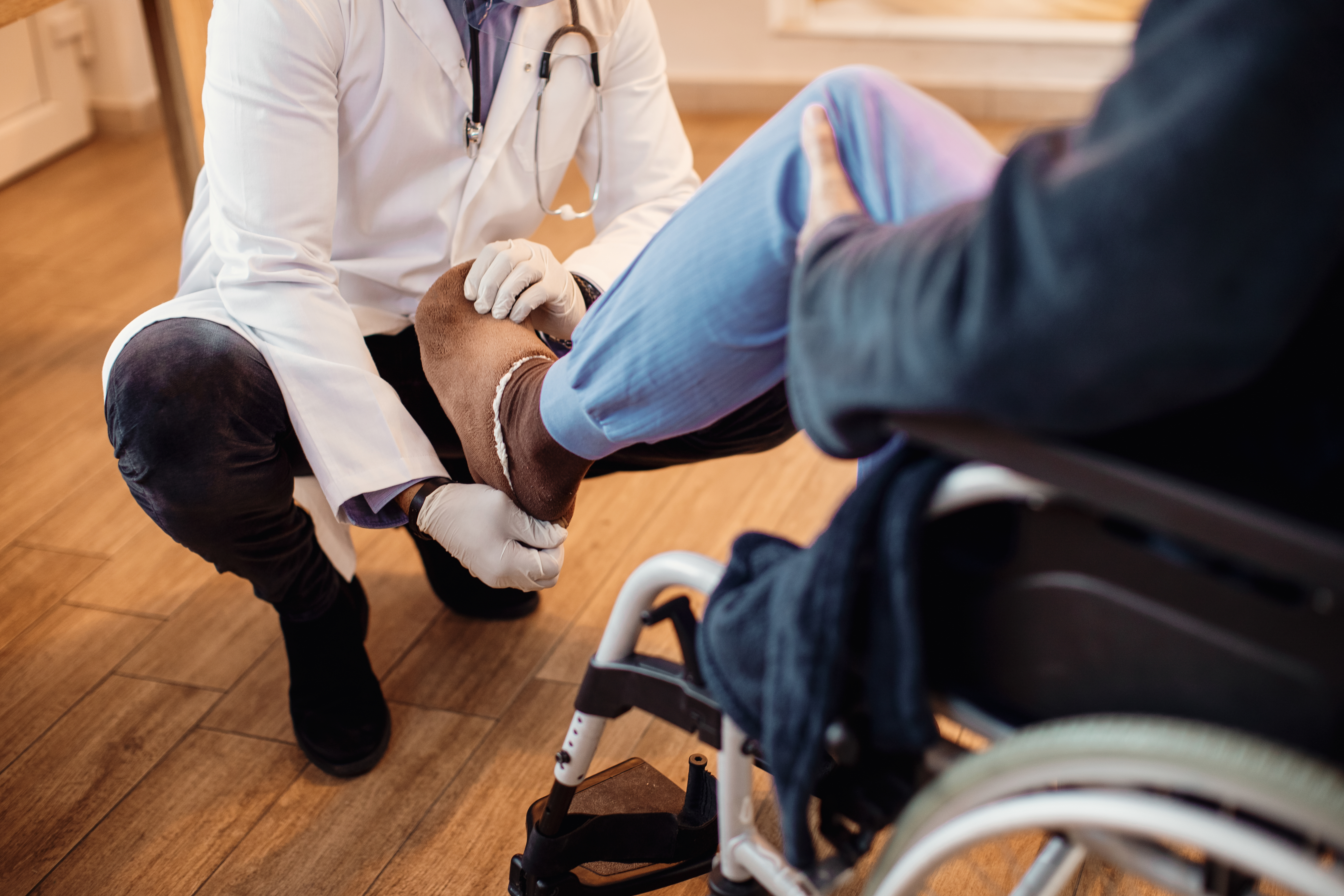
September’s Fall Prevention Awareness Month is a great time for organizations to revisit workplace safety practices. While major hazards often get the most attention, slips, trips, and falls continue to be among the most frequent causes of injuries across many industries. These incidents can impact employees, clients, vendors, and guests, sometimes leading to costly disruptions.
The encouraging news is that many of these accidents are avoidable. With consistent upkeep, informed employees, and forward-thinking safety measures, businesses can significantly reduce risk. Even minor issues can escalate into serious injuries if they are overlooked.
Using this month as a checkpoint allows businesses to evaluate current procedures, spot potential concerns, and reinforce a safety-first mindset throughout the organization.
Why Slip, Trip, and Fall Prevention Matters
Slip, trip, and fall hazards exist in nearly every work environment. Offices, retail spaces, warehouses, healthcare settings, restaurants, and construction sites all face risks both indoors and outdoors.
What makes these incidents especially concerning is how often they can be prevented. Something as simple as a cord across a walkway, a damp floor without signage, or dim lighting in a stairwell may seem insignificant but can quickly lead to injury.
Beyond physical harm, these accidents can result in workers’ compensation claims, reduced productivity, liability exposure, and interruptions to daily operations. Preventing them supports both employee well-being and business continuity.
Keep Walkways and Shared Spaces Clear
Maintaining tidy and organized spaces is one of the most effective ways to lower fall risks. Cluttered corridors, misplaced tools, loose wires, and uneven flooring can easily create dangerous conditions.
Encouraging employees to keep their areas orderly and ensuring shared spaces stay unobstructed throughout the day can make a noticeable difference. Clear housekeeping standards help integrate safety into daily routines.
Regular walkthroughs and inspections can also catch potential issues early. When cleanliness and organization are consistent priorities, workplaces tend to remain safer overall.
Address Wet Surfaces Before They Become a Problem
Wet conditions are a leading cause of slip-related incidents. Spills, rain tracked indoors, and recently cleaned floors can quickly become hazards if not handled right away.
Simple precautions such as placing absorbent mats at entrances, using visible warning signs, and establishing clear cleanup procedures can help reduce these risks. These actions both alert individuals and minimize danger.
Seasonal weather changes can increase exposure to moisture, particularly near entryways and high-traffic areas. Paying closer attention during these times can help prevent avoidable accidents.
Improve Lighting Throughout the Property
Good visibility is essential for preventing falls. When lighting is inadequate, it becomes harder to notice obstacles, uneven surfaces, or changes in flooring.
Businesses should assess lighting in all areas, including stairwells, hallways, parking lots, loading zones, and entrances. Ensuring these spaces are well-lit helps people move safely throughout the property.
As daylight hours decrease later in the year, lighting becomes even more important. Replacing burned-out bulbs and fixing faulty fixtures can greatly improve visibility and reduce risk.
Regularly Inspect Exterior Areas
Outdoor spaces can present just as many hazards as indoor ones if they are not properly maintained. Routine inspections are key to identifying risks before they lead to incidents.
Cracked sidewalks, uneven pavement, loose railings, and debris like wet leaves can all contribute to slips and trips. Parking areas, walkways, and entrances should be checked frequently.
Addressing these issues promptly not only enhances safety but can also help limit liability related to preventable accidents on the property.
Reinforce Ladder and Equipment Safety
Some workplaces face added risks due to working at heights or using specialized equipment. Ladders, scaffolding, and elevated platforms require careful monitoring and proper use.
Routine inspections are critical to ensure equipment is in safe working condition. Any damaged or faulty items should be removed from use immediately.
Providing employees with proper training before they use such equipment is equally important. When workers understand correct procedures and equipment is well-maintained, the likelihood of falls decreases significantly.
Encourage Proper Footwear
Footwear plays a meaningful role in reducing slip risks, especially in environments where floors may become slick during normal operations.
Employees should wear shoes suited to their roles and workplace conditions. In industries like healthcare, hospitality, warehousing, and food service, slip-resistant options can help improve stability.
While proper footwear alone will not eliminate hazards, it adds an extra layer of protection when combined with other safety practices.
Make Employee Training a Priority
Training is one of the most valuable components of any fall prevention effort. Employees who understand workplace risks are better prepared to recognize and avoid hazards.
New hires may face greater risk as they learn procedures and expectations. Thorough onboarding and continued education can help close that gap.
Key topics such as identifying hazards, responding to spills, using ladders safely, practicing safe movement, and reporting concerns all contribute to a stronger safety culture. Ongoing reminders help keep these practices top of mind year-round.
Strengthening Safety Through Prevention
Fall Prevention Awareness Month serves as a valuable reminder that safety requires continuous attention. By focusing on organization, maintenance, lighting, training, proper equipment use, and awareness, businesses can take meaningful steps to reduce risks.
A proactive approach helps protect employees, visitors, and daily operations. It also supports smoother workflows and fewer disruptions. For guidance on workplace safety, risk management, or concerns related to slip-and-fall prevention, reaching out to a trusted professional can provide additional support.
The Mystery of Life Insurance Unveiled
Life insurance often conjures up more questions than answers, and you're not alone in your confusion. According to the 2024 J.D. Power study, only 29% of life insurance customers felt that their insurers made policies simple to understand. This blog aims to lift the veil on what life insurance truly is, how it functions, who might need it, and its potential importance in your life.What is Life Insurance?
At its core, life insurance is a contract. You agree to pay premiums, and in return, your loved ones receive a tax-free lump sum — known as the death benefit — when you pass away. This money can be used for a variety of needs such as paying off a mortgage, covering childcare or funeral costs, or even everyday expenses.Who Needs Life Insurance?
You might be wondering if life insurance is for you. Generally, anyone with dependents, debts, or funeral expenses to consider should think about life insurance. However, it’s not only for parents or spouses. Even individuals without dependents may benefit from coverage to ensure their financial legacy lives on.How Does Life Insurance Work?
Selecting the right life insurance involves deciding between term and permanent policies. Term life covers you for a specific period, while permanent life insurance provides lifelong coverage. Premiums are paid regularly, and upon your death, the death benefit is dispersed to your beneficiaries.Benefits During Your Lifetime
Life insurance isn’t just beneficial after death. For instance, with permanent policies, you can borrow against your policy’s cash value. Some policies include riders such as accelerated death benefits or premium waivers, or allow conversion from term to permanent without medical exams.Choosing the Right Policy
Deciding on the right policy might require some self-reflection. Consider questions like how much coverage you need, the duration, and whether you value simplicity over savings features. Remember to align your choice with your budget.The Customizable Nature of Insurance
Life insurance policies are not one-size-fits-all. They can be customized with riders that offer protection for situations like critical illness or provide premium waivers in the event of disability—tailoring the policy to fit your unique needs. It's perfectly okay not to have all the answers upfront when it comes to life insurance. These policies are far more flexible and beneficial than most people realize. If you're unsure where to begin or need help navigating your options, don't hesitate to reach out for guidance. Life insurance could be a key part of securing your future and your loved ones' financial well-being.
Highway Loss Data Institute
FEMA - Federal Emergency Management Agency