
Winter Home Prep Tips To Avoid Costly Repairs
Preparing your home for winter often feels easy to put off until the cold suddenly arrives. Temperatures can drop quickly, bringing snow, ice, and freezing conditions that put extra strain on your property. While you cannot control the weather, you can take practical steps ahead of time to help minimize the risk of damage and costly repairs.
Many homeowners delay seasonal upkeep, yet completing a few simple tasks before winter sets in can make a significant difference. Studies show that a large number of homeowners have not taken preventive measures in recent years, even as the average cost of maintaining a home continues to rise. Protecting your home does not always require major upgrades—consistent, small maintenance efforts can go a long way.
Schedule a Heating System Inspection
Your heating system carries a heavy workload during the winter months. Ensuring it is functioning properly before temperatures drop can help catch minor issues before they turn into major problems. A system that runs efficiently is also more reliable when you need it most.
Having a professional inspect your heating system allows potential concerns, such as worn components or reduced efficiency, to be addressed early. This can help prevent unexpected breakdowns during colder weather. If your home still uses an older thermostat, upgrading to a programmable or smart model can improve temperature control and help lower energy costs.
Protect Your Home From Frozen Pipes
Frozen pipes are one of the most frequent and expensive sources of winter-related damage. When water freezes inside pipes, it expands and creates pressure that can cause pipes to crack or burst. Even a small break can release a large amount of water in a short time, leading to serious damage.
To reduce this risk, insulate any exposed pipes located in unheated spaces like basements, attics, garages, or crawl spaces. It is also important to maintain a consistent indoor temperature, ideally at or above 65°F, even if you are away from home. Keeping your home warm helps prevent pipes from freezing during extreme cold.
Test Smoke and Carbon Monoxide Detectors
As heating systems are used more frequently in winter, the risk of fire and carbon monoxide exposure increases. This makes properly functioning smoke and carbon monoxide detectors especially important during colder months.
Before winter begins, take time to test each detector in your home. Replace batteries as needed and confirm that every unit is working correctly. This quick and simple step can provide essential protection for your household throughout the season.
Keep Gutters and Downspouts Clear
During the fall, leaves and debris can build up in gutters and downspouts. If they are not cleared, melting snow and ice may not drain properly, causing water to back up onto your roof or pool around your foundation.
Cleaning out gutters and ensuring downspouts are free of obstructions allows water to flow away from your home as intended. This helps reduce the risk of leaks, water damage, and structural issues, protecting both your roof and foundation during winter weather.
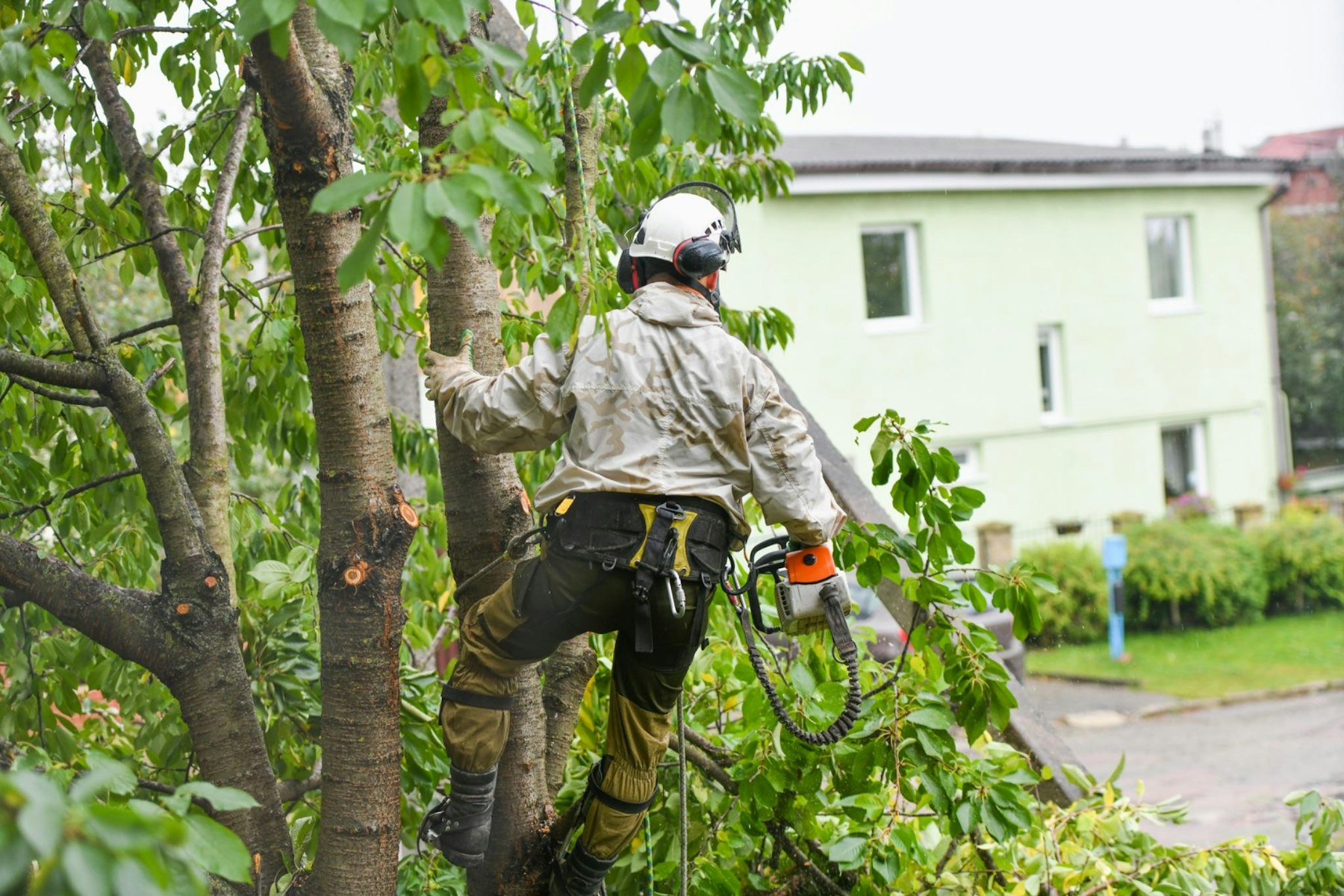
Trim Trees Before Winter Storms Arrive
Trees enhance the appearance of your property, but weakened or overhanging branches can pose a risk when winter storms bring snow, ice, and strong winds. Heavy branches may snap unexpectedly and cause damage to your home, vehicles, or nearby structures.
Removing dead or fragile limbs before winter helps lower the chance of storm-related damage. Regular trimming also supports healthier growth and makes ongoing yard maintenance more manageable throughout the year.
Small Maintenance Today Can Prevent Larger Costs Tomorrow
Getting your home ready for winter does not have to involve large or expensive projects. Focusing on a few key maintenance tasks can significantly reduce the likelihood of common seasonal problems while helping protect your investment.
Simple actions such as scheduling a heating inspection, insulating pipes, testing safety devices, clearing gutters, and trimming trees can make a meaningful impact. These tasks require minimal time but can provide lasting peace of mind throughout the colder months.
If you have questions about preparing your home for winter or want to review your homeowners insurance coverage, reaching out to a trusted professional can help. Taking proactive steps now can ensure your home is better protected when winter weather arrives.
The Mystery of Life Insurance Unveiled
Life insurance often conjures up more questions than answers, and you're not alone in your confusion. According to the 2024 J.D. Power study, only 29% of life insurance customers felt that their insurers made policies simple to understand. This blog aims to lift the veil on what life insurance truly is, how it functions, who might need it, and its potential importance in your life.What is Life Insurance?
At its core, life insurance is a contract. You agree to pay premiums, and in return, your loved ones receive a tax-free lump sum — known as the death benefit — when you pass away. This money can be used for a variety of needs such as paying off a mortgage, covering childcare or funeral costs, or even everyday expenses.Who Needs Life Insurance?
You might be wondering if life insurance is for you. Generally, anyone with dependents, debts, or funeral expenses to consider should think about life insurance. However, it’s not only for parents or spouses. Even individuals without dependents may benefit from coverage to ensure their financial legacy lives on.How Does Life Insurance Work?
Selecting the right life insurance involves deciding between term and permanent policies. Term life covers you for a specific period, while permanent life insurance provides lifelong coverage. Premiums are paid regularly, and upon your death, the death benefit is dispersed to your beneficiaries.Benefits During Your Lifetime
Life insurance isn’t just beneficial after death. For instance, with permanent policies, you can borrow against your policy’s cash value. Some policies include riders such as accelerated death benefits or premium waivers, or allow conversion from term to permanent without medical exams.Choosing the Right Policy
Deciding on the right policy might require some self-reflection. Consider questions like how much coverage you need, the duration, and whether you value simplicity over savings features. Remember to align your choice with your budget.The Customizable Nature of Insurance
Life insurance policies are not one-size-fits-all. They can be customized with riders that offer protection for situations like critical illness or provide premium waivers in the event of disability—tailoring the policy to fit your unique needs. It's perfectly okay not to have all the answers upfront when it comes to life insurance. These policies are far more flexible and beneficial than most people realize. If you're unsure where to begin or need help navigating your options, don't hesitate to reach out for guidance. Life insurance could be a key part of securing your future and your loved ones' financial well-being.
Highway Loss Data Institute
FEMA - Federal Emergency Management Agency